
Food Sovereignty Map
A food sovereignty map visualizes initiatives, actors, and resources working toward community-controlled food systems. It helps highlight relationships, collaboration opportunities, and the geographic spread of food sovereignty efforts.
Hubs
Food hubs are spaces or organizations that coordinate the aggregation, distribution, and marketing of food from local producers. They help strengthen regional food systems and improve market access for small-scale producers.
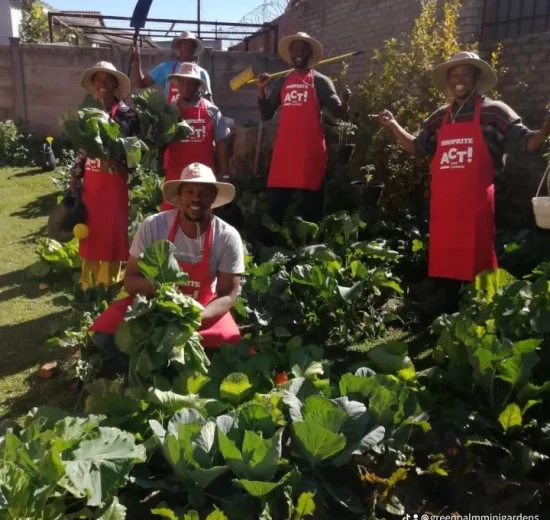
Household gardens
Household gardens are small food-producing spaces managed by families or communities. They contribute to food sovereignty, nutrition, and local knowledge of diverse crops and growing practices.
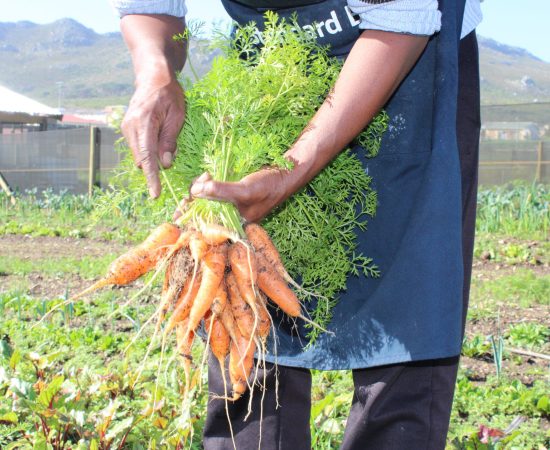
Small scale farmers
Small-scale farmers produce food on relatively small areas of land, often relying on family labour and diverse crops. They play a key role in local food systems, rural livelihoods, and biodiversity.
Small scale fishers
Small-scale fishers depend on local fisheries and traditional knowledge to harvest aquatic life commons. They contribute to food sovereignty, coastal livelihoods, and ecologically sound fishing practices.
Solidarity Economy Practices
Solidarity economy practices prioritize cooperation, mutual support, and collective benefit over profit. They include community-led initiatives that strengthen local economies and shared well-being.
Informal trader networks
Informal trader networks connect small-scale vendors and market traders who operate outside formal retail systems. These networks play a vital role in distributing affordable food and supporting livelihoods.
Community markets
Community markets are local trading spaces where producers and traders sell directly to consumers. They support local economies, strengthen social connections, and improve access to fresh food.
Cooperative banks
Cooperative banks are financial institutions owned and governed by their members. They provide savings, credit, and financial services designed to support community needs and local economic development.
Farming cooperatives
Farming cooperatives are member-owned groups where farmers work together to access inputs, share resources, and market their products. Cooperation can improve bargaining power and economic stability.
Fishing cooperatives
Fishing cooperatives bring fishers together to collectively manage the ocean commons, share equipment, and access markets. They help strengthen livelihoods and promote local fishing practices.
Worker cooperatives
Worker cooperatives are businesses owned and democratically run by their workers. Members share decision-making, responsibilities, and benefits from the enterprise.
Small Scale Farmer Association Mapping
Small-scale farmer association mapping identifies and visualizes farmer groups, networks, and organizations within a region. It helps understand relationships, collaboration opportunities, and the structure of local agricultural communities.
Explore visual guides to community projects, hubs and pathways that are driving food sovereignty across South Africa, and discover the opportunities to collaborate and make connections across the different regions.
Learn more about the spaces where emancipatory knowledge, training tools, and solidarity networks come together to support community-led food and climate justice projects.
Explore the small-scale gardens that empower families to grow their own nutritious food and strengthen the local food sovereignty movement.
Explore how farmers and food growers are practicing permaculture, agroecology and agroforestry, preserving local seeds; and maintaining community-centered food systems.
Stand in solidarity with fishing communities across South Africa that rely on the health and wellbeing of our oceans to protect peoples livelihoods, local ecosystems, and coastal food systems.
Examine the areas where water scarcity has had an impact on food producers, and has empowered communities to plan resilient strategies towards water sovereignty.
Explore examples of cooperative, community-centered economic practices that prioritize fairness, mutual support, and an ethic of care.
Explore the network of small-scale traders who distribute food locally and connect communities to indigenous, affordable, and culturally grounded food and medicine.
Explore local marketplaces that are central in building and strengthening producer-consumer connections, supporting food local economies, and providing growers a space to sell their produce outside of the corporate controlled food system.
Build reliable community-led financial institutions that provide fair access to credit, enabling the growth and health of cooperative development and resilient local economies.
Explore collective farming initiatives that empower farmers through shared resources, knowledge, and decision-making.
Explore the community of fishers who are working together to manage the commons and protect the livelihoods of their families, communities, coastal food systems and biodiversity.
Examine the democratically managed cooperatives where workers collectively manage, regulate, and control their work and the means of production.
Explore the networks of farmer associations, and their collaborative strategies for building food sovereignty across South Africa.