Research
Research brings together evidence, community knowledge, and data to better understand food systems, livelihoods, and environmental change. It supports learning, identifies challenges, and helps guide action toward more just and resilient food systems.
Policy Briefs
Policy briefs translate research findings into short, accessible summaries that highlight key issues, insights, and recommendations. They are designed to inform decision- makers, practitioners, and communities working on food system transformation.
Reports
Reports provide detailed analysis of research findings, fieldwork, and data related to food systems, livelihoods, and ecological stewardship. They document insights, trends, and lessons that can support policy development and community action.
Theory of Change
Our theory of change is rooted in the principles and politics of food sovereignty. It recognizes food, land, water, oceans, seeds, and labour as part of the commons and supports collective stewardship of these shared resources. Through research, collaboration, and organizing, we work to build food sovereignty pathways by strengthening local initiatives, food hubs, and community-based nodes that connect producers, traders, and communities. These interconnected efforts contribute to more just, democratic, and resilient food systems.
Alternatives
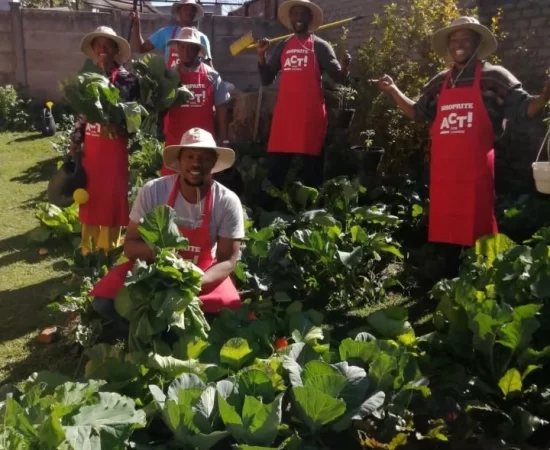
Alternatives highlight emerging practices, models, and ideas that challenge dominant food system structures. These approaches explore more equitable, ecological, and community-centered ways of producing and sharing food.
Climate Risks and Shocks
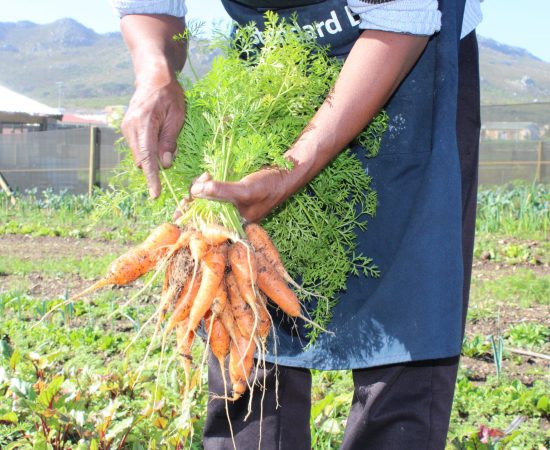
Climate risks and shocks refer to extreme weather events and long-term climate changes that affect food production and livelihoods. Understanding these risks helps communities and policymakers plan for resilience and adaptation.