
Who are we?

Food Sovereignty is a Right! No to Hunger! Yes to Dignity!
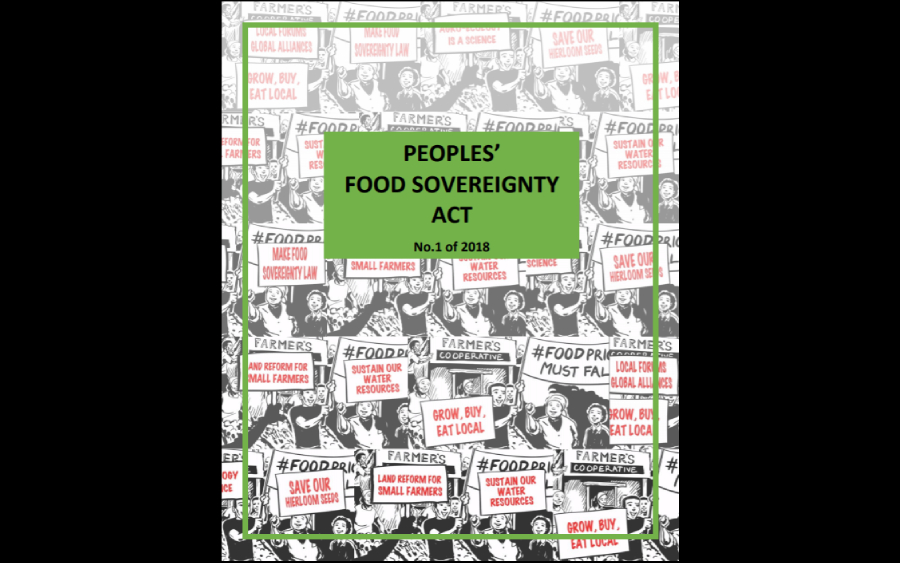
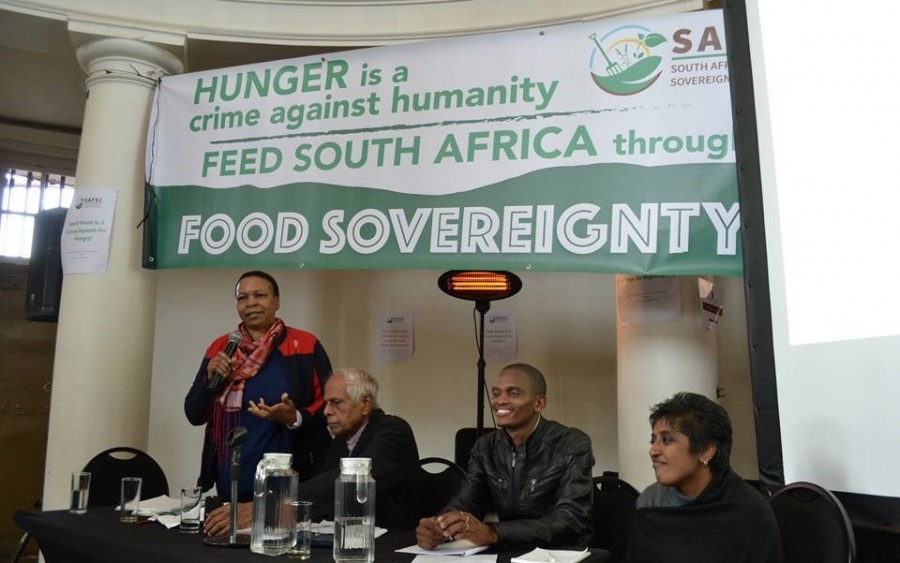
We can only end hunger and feed South Africa through Food Sovereignty
Learn More

Food Sovereignty
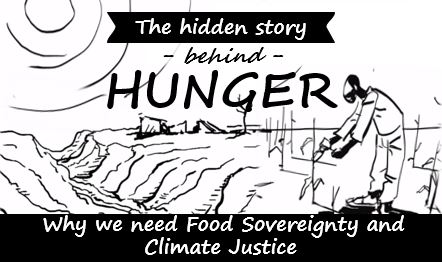
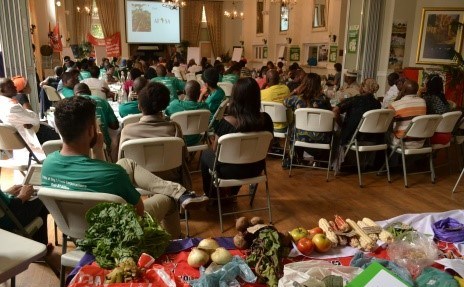
We came together at the Assembly through our shared understanding that we have a crisis-ridden corporate and globalised food system that is responsible for worsening social, health and climate challenges, and which is coinciding with increasing state failure in relation to regulating our food regime and ensuring much needed agrarian transformation. Climate shocks are already impacting negatively on our food system with volatile food prices, droughts, heavy rainfall and flooding. This necessitates advancing food sovereignty to ensure our food and water needs are not compromised and ordinary citizens have the means to meet food production and consumption needs on their terms in the midst of the climate crisis.

Join the campaign

Become a Member of SAFSC

Become a part of the campaign. Together we can build Food Sovereignty and end hunger in South Africa.

Apply now!

Campaign Video

15 hours ago

Attention‼️‼️The march meeting location has changed to the parking lot next to the CPUT e-learning centre! ...
View on Facebook (opens in a new tab)

Follow us on twitter


Alternatives

Alternatives highlight emerging practices, models, and ideas that challenge dominant food system structures. These approaches explore more equitable, ecological, and community-centered ways of producing and sharing food.

Agro-ecology

Agroecology is an approach to farming that works with ecological processes, local knowledge, and biodiversity. It promotes ecologically safe food production while strengthening communities, ecosystems, and food sovereignty.

Agroforestry

Agroforestry integrates trees with crops and livestock in farming systems. This approach can improve soil health, support biodiversity, increase resilience to climate change, and diversify farmer livelihoods.

Local Food Networks

Local food networks connect farmers, fishers, producers, traders, and consumers within a region. They strengthen shorter supply chains, support local economies, and improve access to fresh and culturally appropriate food.